
In a world where information is readily available, it’s essential to distinguish between fact and fiction. Unfortunately, misconceptions can often find their way into various aspects of life, including personal interactions, opinions, and even interpretations of oneself. In this article, I will delve into the topic “I Think You Got Me All Wrong” and shed light on common misconceptions people may have about others. By understanding and debunking these misconceptions, we can foster better understanding and relationships. So let’s dive in and explore the truth beyond the surface.
1. Misconception: First Impressions Are Always Accurate
First impressions are powerful, shaping our initial perception of others. However, it’s crucial to remember that they are not always accurate representations of a person’s true character or abilities. People may judge based on appearance, limited interactions, or stereotypes, often leading to misconceptions. Encourage a more open-minded approach and give people an opportunity to show their true selves before settling on judgments.
2. Misconception: Introverts Are Shy and Antisocial
Introverts often get portrayed as shy, disinterested, or even anti-social. While they may prefer solitary activities and find socializing draining, introverts can possess incredible depth, creativity, and introspection. They thrive in quieter environments and value meaningful connections. Understanding and appreciating introverts can lead to more harmonious interactions and stronger relationships.
3. Misconception: Success Equals Happiness
In our achievement-oriented society, success is often equated with happiness. However, this misconception fails to acknowledge that success alone does not guarantee fulfillment. Happiness is subjective and multifaceted, encompassing various aspects of life such as relationships, personal growth, and well-being. By recognizing that success and happiness are separate entities, we can pursue a more holistic and fulfilling life.
4. Misconception: People Who Ask for Help Are Weak
Asking for help is often misconstrued as a sign of weakness or incompetence. In truth, seeking assistance is a strength that showcases humility, self-awareness, and a desire for growth. Embracing the willingness to seek guidance fosters personal development and contributes to a strong support network. Let go of the misconception that independence equates to strength, and embrace the power of collaboration and interdependence.
5. Misconception: Mental Health Challenges Are a Personal Weakness
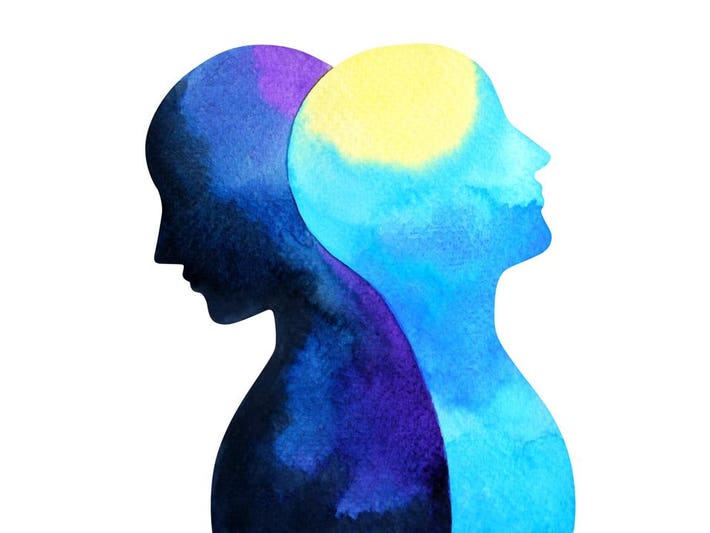
One of the most detrimental misconceptions surrounds mental health challenges. Society often stigmatizes individuals facing mental health issues, wrongly associating their struggles with personal weakness or character flaws. It’s crucial to understand that mental health is just as important as physical health, and seeking help is a courageous act. By eradicating this misconception, we can create a more compassionate and supportive society.
Understanding that misconceptions exist and challenging them is a powerful tool in building better relationships and fostering personal growth. By debunking common misconceptions like those discussed above, we can create a more inclusive and compassionate society. Let’s strive for empathy, open-mindedness, and a willingness to learn and unlearn, ensuring that our perceptions align with reality. Together, we can break down barriers and cultivate a world that celebrates the uniqueness and complexity of each individual.






































 The Truth of the Matter with Tiffani Michele
Leave a comment