

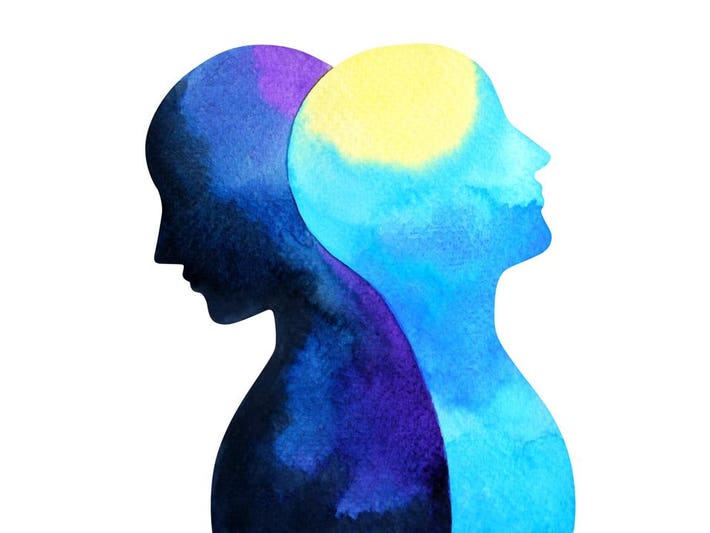
In the journey of life, we often encounter experiences that leave lasting imprints on our minds and souls. Trauma, whether caused by accidents, loss, or other distressing events, can shake us to the core, disrupting our sense of safety and well-being. However, it is essential to remember that healing after trauma is possible. In this blog, I will delve into the intricacies of overcoming trauma and offer valuable insights and actionable advice to help you navigate the path to recovery.
Understanding Trauma:
Trauma can manifest in various forms, ranging from physical injuries to emotional wounds. It is crucial to recognize that each individual’s response to trauma is unique, and there is no one-size-fits-all approach to healing. Whether you have experienced a sudden life-threatening event or endured prolonged emotional distress, acknowledging the impact of trauma is the first step towards recovery.
The Healing Process:
Healing after trauma is a journey that requires patience, self-compassion, and support. It is normal to experience a range of emotions, including fear, anger, sadness, and even numbness. Give yourself permission to feel and process these emotions at your own pace. Seeking professional help from therapists, counselors, or support groups can also provide valuable guidance and emotional support during this challenging time.
Coping Strategies:
While the healing process may be challenging, incorporating healthy coping strategies into your daily routine can aid in your recovery. Engaging in mindfulness practices such as meditation, deep breathing exercises, or yoga can help calm the mind and reduce stress. Physical activities like walking, jogging, or dancing can also release endorphins and improve your overall well-being. Additionally, expressing your emotions through journaling, art, or music can serve as cathartic outlets for processing trauma.
Building a Support System:
Recovery from trauma is not a solitary journey. Building a support system of friends, family members, or mental health professionals can provide you with the emotional support and encouragement needed to navigate the healing process. Surround yourself with individuals who uplift and validate your experiences, and don’t hesitate to reach out for help when needed.
Self-Care and Compassion:
Self-care plays a crucial role in healing after trauma. Prioritize your well-being by engaging in activities that bring you joy and relaxation. Establish healthy boundaries, practice self-compassion, and be gentle with yourself as you embark on the journey to recovery. Remember that healing is a gradual process, and it is okay to take small steps towards rebuilding your sense of security and inner peace.
In conclusion, healing after trauma is a personal and transformative journey that requires time, patience, and self-care. By acknowledging the impact of trauma, seeking support, and implementing healthy coping strategies, you can gradually move towards wholeness and emotional well-being. Remember, you are resilient, deserving of healing, and capable of reclaiming your narrative post-trauma. Embrace your journey with courage and compassion, and may you find peace and healing along the way.
About the Website
Welcome to The Truth of the Matter Blog Spot, created by award winning Master Life Coach, Educator, Motivational Speaker, & Entertainer, Tiffani Michele.
Latest posts












































 The Truth of the Matter with Tiffani Michele
Leave a comment