
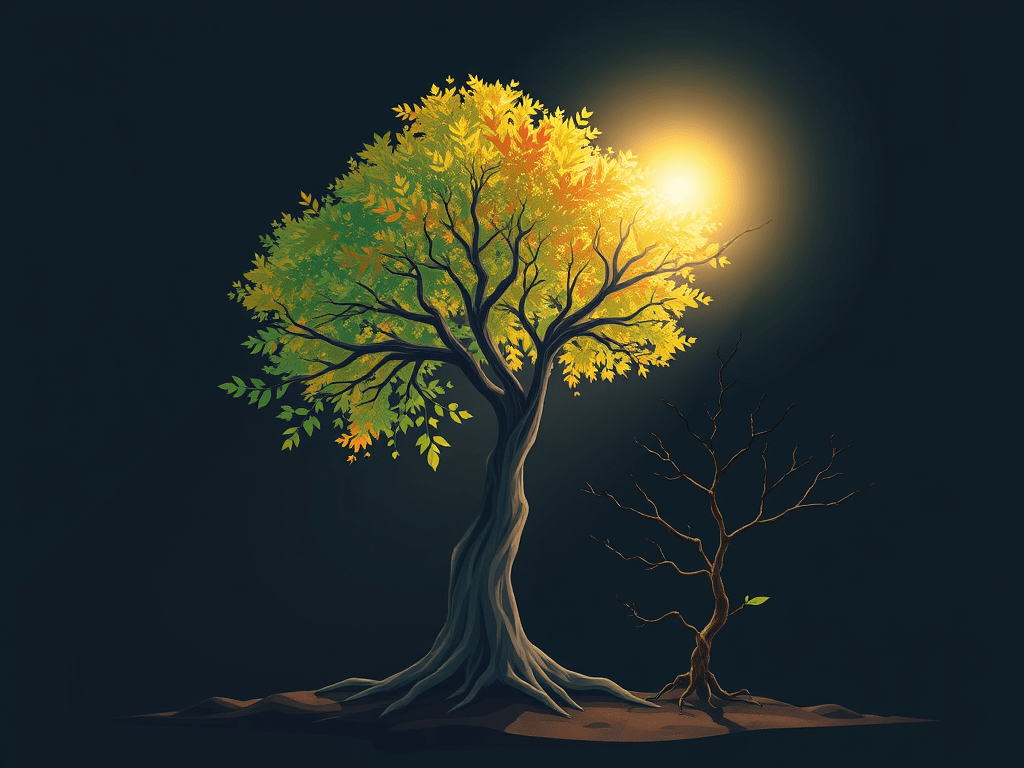
In the journey of life, we often come across two distinct paths: thriving and surviving. While both these terms may seem similar at first glance, they hold different meanings and implications for our overall well-being and success. Understanding the difference between thriving and surviving can help us navigate through challenges, set meaningful goals, and ultimately live a more fulfilling life.
Surviving, in its essence, denotes merely existing or getting by in the face of adversity. It involves meeting basic needs, such as food, shelter, and safety and focuses on staying afloat amidst hardships. Surviving is about enduring, persevering, and making it through tough times, but it does not necessarily prioritize growth or progress.
On the other hand, thriving goes beyond mere survival. Thriving is about flourishing, growing, and reaching one’s full potential in all aspects of life. It involves not just surviving challenges but thriving in spite of them, harnessing opportunities, and continually evolving and improving. Thriving encompasses emotional well-being, personal development, and pursuing meaningful goals that align with one’s values and passions.
To illustrate the key differences between thriving and surviving, let’s consider a few scenarios:
Scenario 1: A person who is surviving may have a stable job that pays the bills but does not bring them joy or fulfillment. They go through the motions each day, merely getting by and meeting their basic needs. In contrast, a person who is thriving may have a career that aligns with their passion and talents, allowing them to grow, expand their skills, and make a meaningful impact in their chosen field.
Scenario 2: Someone who is surviving may have a few close friends or acquaintances but lacks deep, meaningful connections. They may feel lonely or isolated at times, despite being surrounded by others. In comparison, a person who is thriving has strong social connections, nurturing relationships, and a supportive network that uplifts and encourages them to be their best selves.
Scenario 3: In terms of physical health, a person who is surviving may struggle with stress, fatigue, and limited energy due to poor lifestyle habits or neglecting self-care. They may prioritize immediate needs over long-term well-being, leading to burnout or health issues. Conversely, an individual who is thriving prioritizes self-care, engages in regular exercise, nourishes their body with healthy foods, and practices mindfulness to maintain a balanced and vibrant lifestyle.
It’s essential to note that the line between surviving and thriving is not always clear-cut, and individuals may find themselves oscillating between these two states depending on circumstances and life stages. However, recognizing the difference between surviving and thriving can empower us to make intentional choices, set meaningful goals, and cultivate a life that is fulfilling, purposeful, and aligned with our values.
In conclusion, while surviving is necessary for our basic survival, thriving is what allows us to truly live our best lives, fulfill our potential, and create lasting happiness and success. By understanding the nuances between surviving and thriving, we can strive to cultivate a life that is not just about survival but about thriving in every sense of the word. Let us choose to thrive and not just survive.













































 The Truth of the Matter with Tiffani Michele
Leave a comment