

There’s a particular kind of strength that many Black women carry—an unspoken expectation to hold everything together. We’re celebrated for being resilient, nurturing, and endlessly giving. We’re the “backbones,” the “strong Black women,” the ones who lift others up when the world tries to tear them down.
But underneath that cultural praise often lies something heavier: a savior complex. It’s the quiet belief that it’s our duty to fix, heal, rescue, and carry everyone—sometimes at the cost of ourselves.
Where It Starts: A Legacy of Responsibility
For many of us, the savior complex is inherited long before we can name it. It lives in the stories of our grandmothers who raised entire communities, in the mothers who worked multiple jobs while keeping families afloat, and in the sisters and aunties who “stepped up” when systems failed.
It’s in how we were taught to “be strong,” to not complain, to help others even when we’re tired. It’s in the “you’re the oldest, so you need to set an example” speeches. It’s in the subtle way people assume that we’ll handle it, whatever “it” is.
The Emotional Toll of Always Being the Rescuer
What rarely gets discussed is the emotional cost of this role. When you constantly pour into everyone else, it can leave you emotionally dehydrated.
You become the friend everyone calls in a crisis—but who do you call?
You’re the partner who holds the relationship together—but who holds you?
You’re the leader in your community, church, or workplace—but where do you get to rest?
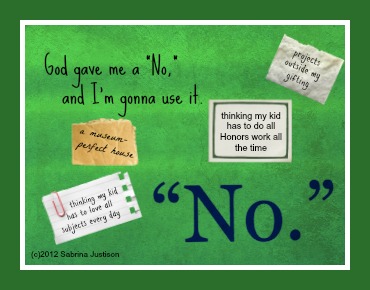
The savior complex can make it hard to set boundaries because guilt creeps in when we say “no.” We may feel responsible for outcomes that aren’t ours to control. And when things don’t get “saved,” we blame ourselves—harshly.
Savior vs. Supporter
There’s a difference between supporting people and trying to save them. Support acknowledges your humanity and theirs. Saving, on the other hand, often puts you in a role that’s unsustainable and unfair.
You’re not meant to be everyone’s healer, provider, and emotional anchor all at once. That’s not love—that’s martyrdom. And while martyrdom might look noble on the outside, it often hides deep fatigue, resentment, and loneliness.
Breaking the Pattern
Unlearning the savior complex is not easy. It means:
- Setting boundaries and not apologizing for them.
- Asking for help without shame.
- Allowing others to experience their own growth, even if it means stepping back.
- Redefining strength to include softness, rest, and vulnerability.
It also means interrogating the narratives we’ve inherited. Strength doesn’t mean never needing anyone. Love doesn’t mean fixing everyone. And your worth is not measured by how much pain you can carry.
Giving Ourselves Permission to Be Human
Imagine what could happen if more Black American women felt safe enough to not be the savior. If we collectively embraced the truth that our humanity matters as much as our help.
It’s okay to lay your cape down. It’s okay to say, “I can’t right now.” It’s okay to take care of yourself first—not as an afterthought, but as a priority.
The world doesn’t fall apart when we stop trying to save it alone. In fact, sometimes that’s when real healing begins—because others finally have the space to step up, and we finally have the space to breathe.

































 The Truth of the Matter with Tiffani Michele
Leave a comment