
By Tiffani Michele

I grew up in a home where the words “mental health” were never said out loud. Not once. We didn’t talk about anxiety, depression, trauma, or therapy. Instead, we used words like “tired,” “going through something,” or “having a moment.” And when life got hard, the answer was simple: pray on it, keep it moving, and don’t let anyone see you sweat.
This silence wasn’t unique to my family. It was cultural. It was learned. It was passed down like Sunday dinner recipes and old photo albums. In the Black community, mental illness has often lived in the shadows—present, but unspoken.
Over time, I started to realize that this silence came with a price. The pressure to be “strong” while struggling internally left scars you couldn’t see. And for many of us, breaking that silence feels both necessary and terrifying.
In this post, I want to talk openly about the unspoken truths around mental illness in the Black community—truths I’ve lived, witnessed, and wrestled with. It’s not always pretty, but it’s real. And I believe real conversations are where healing begins.
1. The Performance of Strength
From a young age, I was taught to be strong. Not just strong, but unshakable. “You’re a Black woman,” my mother would say. “We don’t have the luxury of falling apart.”
And I understood what she meant. Our ancestors survived horrors that would break most people. They endured slavery, segregation, systemic racism, and countless daily indignities—and still managed to raise families, build communities, and find joy in the cracks of oppression. Their strength was (and is) undeniable.
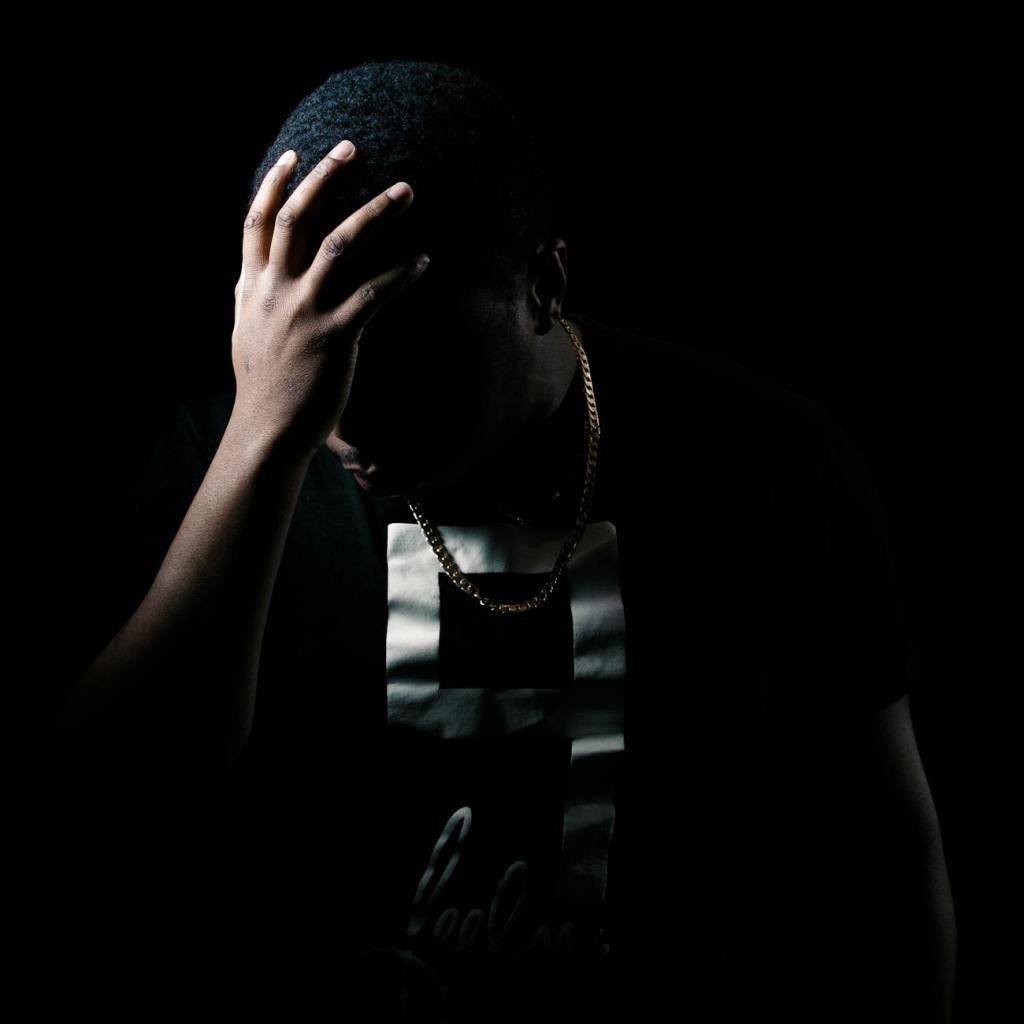
But somewhere along the way, that strength became a performance. It became a mask I wore so well that people started to believe it was my face. Smiling when I was exhausted. Nodding when I wanted to cry. Overachieving to distract from my anxiety. Offering everyone else grace while starving myself of it.
In the Black community, strength is celebrated, but vulnerability is often quietly discouraged. There’s this unspoken rule that we must endure silently. That showing emotion—especially anything other than joy or resilience—is a weakness that could cost us respect, jobs, or safety.
But the truth is: we are not machines. We are human. And constantly performing strength doesn’t heal us—it hides us.
I’ve learned that admitting “I’m not okay” doesn’t make me weak. It makes me honest. And honesty is often the first step toward healing.
2. Faith and the “Pray It Away” Culture
For many Black families, church is more than a place of worship—it’s the foundation of community. I grew up in church. I know the songs, the prayers, the pews. I’ve seen faith hold people together when everything else fell apart.
But alongside the beauty of faith, there’s often a harmful narrative: that mental illness is simply a spiritual battle. That if you pray hard enough, fast long enough, and keep your mind “stayed on Jesus,” depression will lift, anxiety will calm, and trauma will disappear.
I remember once confiding in a church member about feeling emotionally drained and anxious. Their response was:
“You just need to pray more. God didn’t give us a spirit of fear.”
They meant well—but that response kept me silent for years. Because how could I admit that prayer alone wasn’t “fixing” me? Was my faith not strong enough? Was something wrong with me spiritually?
Here’s what I now know: you can love God and still need a therapist.
You can believe in the power of prayer and also believe in medication.
You can trust in divine healing and also trust mental health professionals.
These truths don’t cancel each other out—they complement each other. God can work through both prayer and psychology.
It’s time we stop treating therapy as a lack of faith. Therapy is not betrayal—it’s a tool. And faith and mental health care can coexist beautifully.
3. Generational Trauma: The Wounds We Don’t Name
There’s a term I didn’t know until adulthood: intergenerational trauma. It describes how trauma can be passed down through families—through behaviors, beliefs, fears, and even biology.
In the Black community, this trauma runs deep. It’s in the way we flinch at authority, the way we hustle as if rest is dangerous, the way we carry pain silently because vulnerability has historically been unsafe.
Think about it: generations before us were enslaved, segregated, and systematically oppressed. Therapy wasn’t accessible—or safe—for them. So they coped how they could: through faith, community, music, and silence. Their survival strategies were brilliant in their context. But those same strategies can become shackles for us now.
Many of us grew up with relatives who showed clear signs of mental illness but were never diagnosed. An uncle who drank too much was “just a heavy drinker.” A grandmother who stayed in bed for weeks was “just tired.” A cousin who had explosive anger was “just like that.” These behaviors became normalized, not pathologized.
When you grow up surrounded by unaddressed trauma, you learn to adapt to it, not question it. You think it’s just “how things are.” But healing begins when we start naming what was once unspoken. When we say:
- “That was abuse.”
- “That was depression.”
- “That was anxiety.”
- “That was trauma.”
Naming doesn’t erase the past, but it gives us power over it.
4. Stigma, Judgment, and “Black Folks Don’t Do Therapy”
Let’s talk stigma.
There’s still a very real stigma around mental illness in Black communities. People say things like:
- “Black folks don’t do therapy.”
- “You don’t need no shrink, just toughen up.”
- “That’s white people stuff.”
These phrases may seem casual, but they’re loaded. They discourage people from seeking help. They make struggling feel shameful.
I remember when I told a relative I was going to therapy. Their reaction wasn’t supportive. It was skeptical.
“Why would you tell a stranger your business? You better talk to God or your mama.”
But sometimes, your mama is part of the trauma. Sometimes you need a neutral space. And sometimes, you just need someone who won’t interrupt, dismiss, or judge your pain.
On top of stigma, access is a real barrier. Many Black people live in areas with limited mental health resources. Even when therapy is available, it can be expensive or culturally mismatched. Explaining racism, microaggressions, or cultural nuances to a therapist who doesn’t get it is draining.
Finding a therapist who understands your cultural lens is a game-changer. The first time I sat across from a Black woman therapist, I didn’t have to explain certain things. She got it. And for the first time, I felt emotionally safe enough to exhale.
5. The Hidden Faces of Mental Illness
Mental illness doesn’t always look like what we see in movies. In Black communities, it often wears disguises:
- High-functioning depression that looks like overachievement.
- Anxiety masked as irritability or perfectionism.
- PTSD hidden behind humor or numbness.
- Addiction framed as “just blowing off steam.”
- Bipolar disorder dismissed as moodiness.
Because we’re often conditioned to “keep it together,” our pain becomes invisible—even to ourselves. We keep showing up for work, for family, for church. We cook, we lead, we smile. And no one knows we’re barely holding on.
I once had a season where I was praised for being “on top of everything.” What people didn’t know was that I was barely sleeping, crying in the shower, and running on empty. My suffering didn’t look like what people imagined depression to be. But it was real.
We need to expand our understanding of what mental illness looks like in Black bodies, in Black families, in Black spaces.
6. Breaking the Silence: A Personal Shift
The real shift for me came the day I finally said out loud: “I need help.”
It didn’t happen overnight. It was years of quiet suffering, silent prayers, and trying to “handle it myself.” But one day, I got tired. Tired of pretending. Tired of performing strength. Tired of suffering alone.
I found a therapist. I started journaling. I opened up to a close friend. I began unlearning the lies I’d absorbed—that therapy was weakness, that faith alone should fix everything, that my pain was something to be ashamed of.
The moment I started talking about my mental health openly, something surprising happened: people around me started opening up, too. Friends who I thought “had it all together” confessed their struggles. Family members shared their own quiet battles. What I thought was my private burden turned out to be a shared reality. We’d all been silent, together.
7. Rewriting the Narrative
The unspoken truths about mental illness in the Black community are heavy—but they’re not unchangeable. We have the power to rewrite the narrative.
Here’s what that can look like:
- Having open conversations at the dinner table about therapy and mental health.
- Encouraging our elders to seek help without shaming them.
- Supporting Black mental health professionals so people have more culturally competent care options.
- Integrating faith and therapy, not pitting them against each other.
- Teaching our children that vulnerability is strength, not weakness.
- Normalizing rest, not glorifying constant struggle.
We owe it to ourselves and future generations to break cycles of silence. Healing doesn’t mean dishonoring our ancestors—it means honoring their survival by choosing to thrive.
Final Thoughts: We Deserve More Than Survival
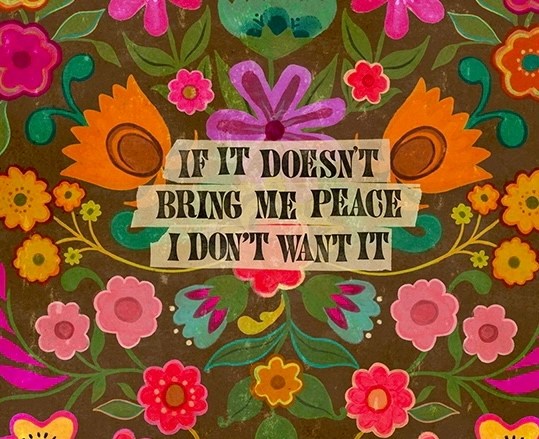
Mental illness in the Black community is real, even if we don’t always talk about it. And the truth is, we deserve more than survival. We deserve peace. We deserve joy. We deserve rest. We deserve the right to say, “I’m not okay,” and receive love instead of judgment.
Breaking silence is brave. Seeking help is revolutionary. Choosing healing is resistance.
I’m still on my journey. Some days are better than others. But I know this much: I refuse to carry the weight of silence any longer. I want to live, not just endure.
And maybe, if more of us start talking, we’ll realize we were never alone to begin with.
✊🏾 If no one’s told you lately: Your mental health matters. Your pain is valid. And healing is for you, too.






































 The Truth of the Matter with Tiffani Michele
Leave a comment