


Every year as the leaves begin to crisp into shades of amber and gold, and the air grows tender with the scent of cinnamon and roasted harvest, we are reminded that Thanksgiving is more than just a holiday—it is a moment suspended in time. A pause between the motion of what was and the anticipation of what’s to come. For many, it’s a feast day; for others, it’s a quiet spiritual reckoning.
Though Thanksgiving is often seen through a modern lens of parades, pumpkin pie, and family gatherings, its essence carries a much older, deeper rhythm—one that predates colonial America and speaks to something profoundly human and divine.
The Pagan Roots of Gratitude
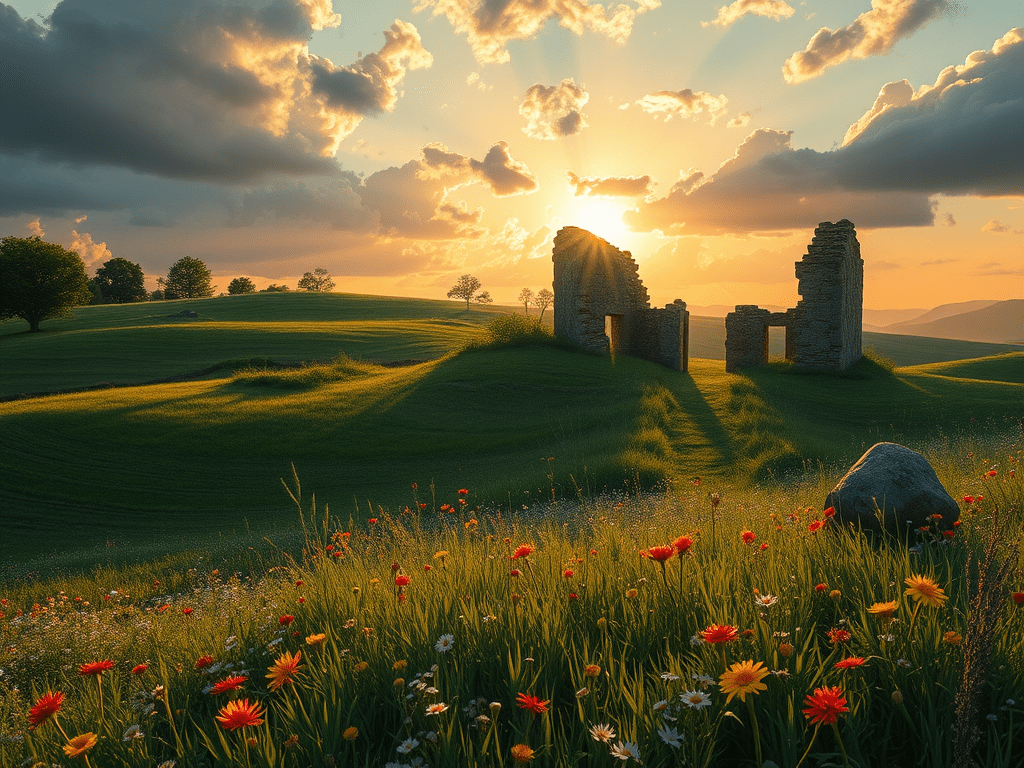
Before it was called Thanksgiving, there were harvest festivals—rituals of gratitude that echoed across cultures and continents. From the Celtic Samhain to the Roman Cerelia, from the Native harvest dances to the Hebrew Sukkot, ancient peoples honored the Earth’s abundance and the mysterious cycles of life and death that sustained them. These were not mere parties, but sacred ceremonies—moments of deep humility before the unseen forces that governed life.
Food, in those times, was not taken for granted. Every grain, every drop of honey, every ripe fruit represented divine generosity. To give thanks was to remember that we are not separate from creation but woven into its fabric.
And so, when we sit down to our modern tables—with candles lit, dishes steaming, laughter filling the room—perhaps what stirs within us is not just nostalgia, but something much older. A spiritual remembrance of reverence. The soul remembering its first prayer: thank you.
A Time to Return Home—Inwardly
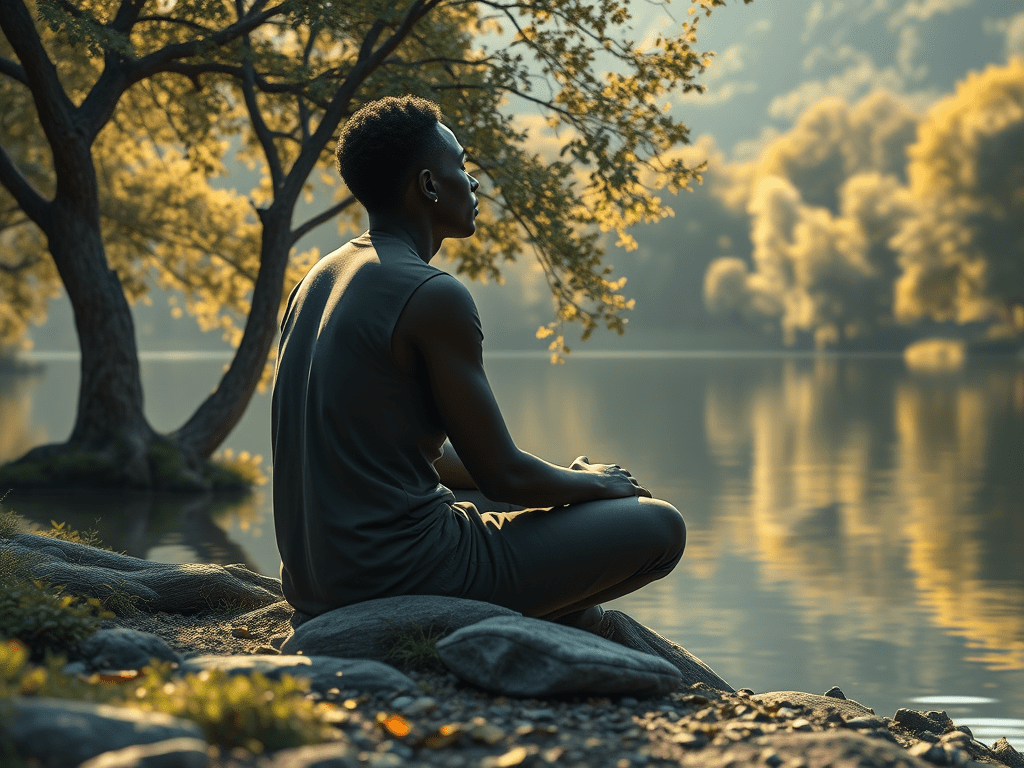
Thanksgiving, at its best, is a homecoming. Not merely a journey to a physical place, but a return to the heart’s hearth. It invites us to look beyond the noise of the world, the news cycles, and the rush of productivity, and to rest in the quiet abundance that already surrounds us.
We are conditioned to measure our blessings in material terms—jobs, homes, health, relationships—but spiritual gratitude asks something more intimate of us. It asks us to give thanks for the unseen: for the breath we didn’t have to remember to take, for the grace that carried us through unseen dangers, for the lessons that came disguised as loss.
True gratitude transforms. It softens the spirit, it humbles the ego, and it reorients us toward wholeness. When we give thanks, not just in word but in presence, we participate in a divine exchange. We acknowledge that all things, even the broken pieces, are sacred gifts in disguise.
Reconciling the Story
Of course, no reflection on Thanksgiving is complete without acknowledging the complex and painful history that shadows it. The story we inherited—of Pilgrims and a peaceful feast shared with Indigenous peoples—conceals a deeper truth of displacement, colonization, and loss.
To sit in gratitude today is to also sit in awareness. It’s to remember that the land beneath our feet carries memory—of people, of rituals, of reverence for creation that predates us all. To give thanks with integrity is to honor those truths and to walk more gently upon this earth.
Perhaps the most sacred offering we can bring to our Thanksgiving table is not the food, but the intention to live differently—to see gratitude not as a single day of indulgence, but as a daily spiritual practice of humility and stewardship.
The Spiritual Feast
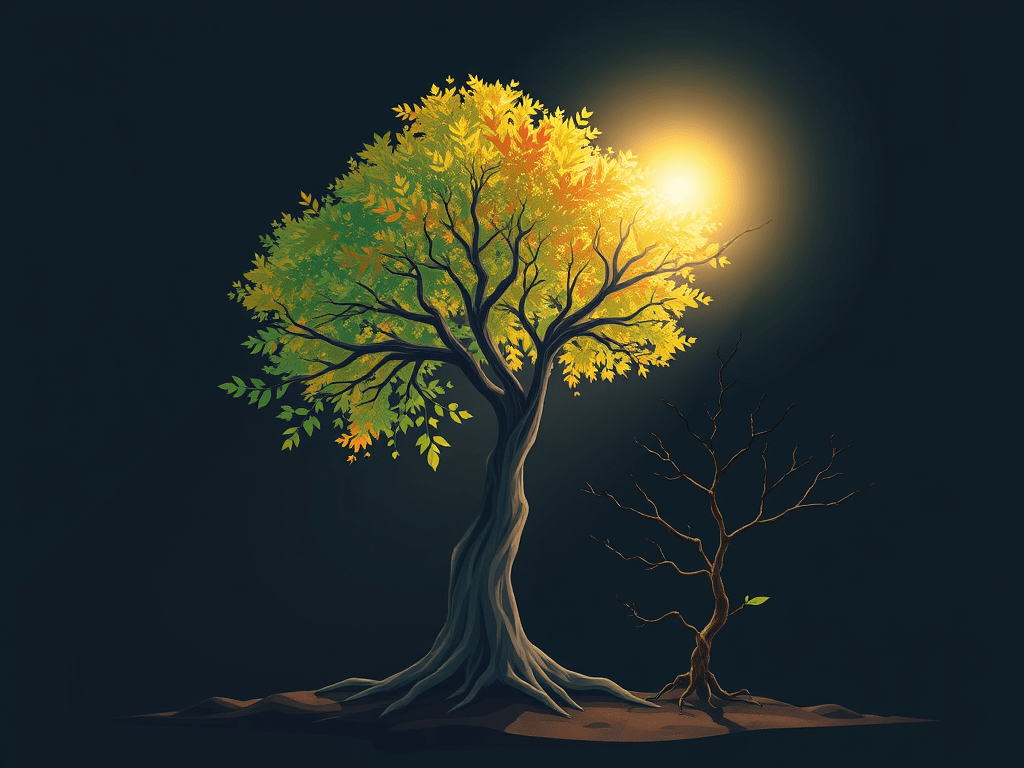
If we look beyond the surface of tradition, Thanksgiving becomes a mirror of the divine rhythm of life itself. The harvest represents not just crops, but the fruit of our inner growth. Every season of planting, waiting, pruning, and reaping mirrors our spiritual journey.
In this light, Thanksgiving becomes a sacred feast—a celebration of what we have endured, learned, and become. It’s a reminder that gratitude is the highest form of worship. When we give thanks, we align ourselves with divine flow and the eminence of God. We acknowledge that we are never truly lacking, that abundance is not measured in possessions, but in presence.
And perhaps that is the truest meaning of Thanksgiving: to live in such a way that every breath becomes a prayer of gratitude. To eat, to laugh, to love, to forgive—all as offerings to the divine within and around us.
So this season, as you light your candles and bow your head in thanks, remember:
You are not just participating in a holiday.
You are participating in an ancient rhythm of grace—
one that connects heaven and earth, past and present, the seen and the unseen.
May your Thanksgiving be not only full of food, but full of awareness, humility, and sacred joy.





































 The Truth of the Matter with Tiffani Michele
Leave a comment