

In a world built on comparison, performance metrics, and social expectations, understanding your self-worth can feel like trying to hold water in your hands. No matter how much you grasp, it can slip through your fingers the moment someone questions your abilities, overlooks your contributions, or makes you feel less than what you are. But here’s the truth many of us forget: your worth is not something you earn—it’s something you inherently have.
Learning to recognize, honor, and protect your value is one of the most transformative journeys you can take. It affects how you show up in relationships, how you pursue opportunities, how you set boundaries, and how you navigate challenges. This isn’t about ego or arrogance—it’s about grounding yourself in an unshakeable understanding of who you are.
Let’s explore what it truly means to know your worth, why it’s so easy to forget it, and how you can begin reclaiming yours today.
What Self-Worth Actually Is (And What It Isn’t)
Self-worth is your internal sense of value. It’s the belief that you are deserving of love, respect, kindness, and opportunities—not because you’ve met some measurable standard, but because you exist.
Many people confuse self-worth with:
- Achievements
- Job titles or income
- Romantic relationships
- External validation
- Physical appearance or social status
These things can influence how we feel about ourselves, but they are not foundational. They can change, fade, or be taken away. Your self-worth, however, remains constant beneath all of that. The work is simply remembering it.
Why We Lose Sight of Our Worth
Even the strongest, most self-aware people have moments where their value feels dim. This can happen for many reasons:
1. Childhood conditioning
If you grew up in an environment where love was inconsistent, conditional, or tied to performance, you may have internalized that your worth must be proven.
2. Toxic relationships
Being dismissed, ignored, criticized, or manipulated can erode your sense of value over time.
3. Perfectionism
When you set impossibly high standards for yourself, any mistake feels like a failure of character, not just performance.
4. Social comparison
We live in a digital world where other people’s curated highlights make our everyday realities feel inferior.
5. Burnout and overwhelm
Constant giving, helping, and hustling can drain you to the point where you forget that you’re worth nurturing, too.
Understanding the source of your self-doubt is the first step toward rebuilding a healthy, grounded sense of worth.
Signs You’re Not Fully Owning Your Worth
Sometimes you don’t realize you’ve been operating below your worth until you see the patterns:
- You tolerate disrespectful behavior because you don’t want to lose someone.
- You settle for less—emotionally, professionally, or financially.
- You apologize too quickly or too often.
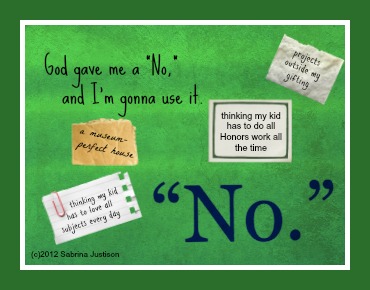
- You struggle to say “no” even when you are overloaded.
- You second-guess yourself, your decisions, or your abilities.
- You downplay your accomplishments.
- You take on blame that isn’t yours.
If any of these resonate, you’re not broken; you’re human. But you deserve better—from others and from yourself.
Reclaiming Your Self-Worth: The Inner Work
Knowing your worth isn’t a switch you flip. It’s a practice—one shaped by awareness, boundaries, and healing.
1. Affirm your inherent value
You are enough before you produce anything. Try writing affirmations that aren’t tied to performance:
- I am worthy of love and respect.
- My value doesn’t decrease because someone else can’t see it.
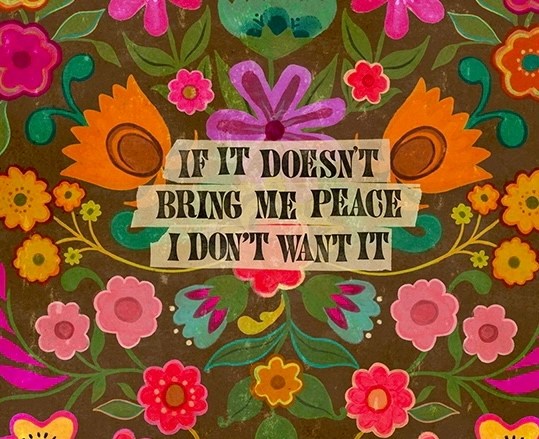
- I deserve peace, joy, and abundance.
Say them even on days when you don’t feel them.
2. Identify sabotaging self-talk
Your inner critic can be loud—but it’s not always telling the truth. Notice the phrases you repeat to yourself and challenge them. Replace harshness with compassion. You would never talk to someone you love the way you sometimes talk to yourself.
3. Set boundaries—and enforce them
Boundaries are not walls; they’re filters for what you allow into your emotional space. When you say no to something misaligned, you say yes to your worth.
4. Surround yourself with people who reflect your value back to you
Your circle matters. Healthy people don’t shrink your voice—they amplify it.
5. Stop negotiating with what you know you deserve
When your gut says this isn’t enough, trust it. Settling is the fastest way to teach yourself that your needs don’t matter.
6. Celebrate your strengths without shrinking
Owning your gifts is not arrogance—it’s alignment. Let yourself take up space. Let yourself shine. You diminish nothing by being deeply rooted in your abilities.
Understanding Your Value in Relationships
Knowing your worth changes the tone of your relationships. You begin to love differently, not out of insecurity or fear, but out of clarity and confidence.
You stop begging for reciprocity and start choosing partnerships that naturally give it. You’re no longer impressed by bare minimum efforts. You no longer tolerate emotional crumbs. You hold space for yourself first—and expect others to do the same.
You don’t chase.
You attract.
You don’t cling.
You choose.
Understanding Your Value in Your Career
Self-worth impacts how you show up at work, too:
- You negotiate instead of settling.
- You advocate for opportunities instead of waiting to be noticed.
- You say no to toxic environments.
- You stop attaching your identity to productivity.
Value yourself, and your career will begin to reflect that value.
The Freedom of Knowing Your Worth
The moment you truly recognize your worth, everything shifts.
You no longer internalize other people’s opinions.
You no longer seek permission to be yourself.
You no longer allow circumstances to define you.
You stop trying to earn a seat at the table and realize—you are the table.
Knowing your worth is not a destination; it’s a commitment. A daily, intentional, healing act. A promise to show up for yourself even when the world makes it hard.
You are worthy now, as you are, before you accomplish anything else.
Your value is not negotiable.
And once you understand that, you become unstoppable.












































 The Truth of the Matter with Tiffani Michele
Leave a comment