


There is a particular kind of silence that settles in right before a new year begins. It’s not celebratory. It’s not loud. It’s the pause between what has been endured and what is still unknown. And when the year behind you has been exceptionally hard, that silence can feel almost unbearable.
People around you may be counting down, posting reflections wrapped in neat lessons and gratitude lists. But for some of us, the year didn’t come with tidy endings. It came with fractures. With loss that didn’t ask permission. With moments that changed us in ways we’re still trying to understand.
Some years don’t simply test you—they strip you.
They take people. They take certainty. They take versions of your life you assumed were permanent.
Grief has a way of sneaking into everything. It shows up in grocery store aisles when you pass something they used to love. It arrives unannounced in the middle of a song, a smell, a random Tuesday afternoon. It’s not just about death—it’s about endings. The end of a relationship you thought would last. The end of a job that anchored your identity. The end of financial security that once made the future feel predictable.
Loss doesn’t always scream. Sometimes it whispers until you realize it has rearranged your entire inner world.
Preparing yourself mentally for a new year after all of this isn’t about pretending you’re okay. It’s about acknowledging that you’re not—and choosing to move forward anyway. It’s about letting go of the pressure to be “over it” by now. About recognizing that healing doesn’t operate on a calendar.
Mentally, this level of preparation asks you to confront the stories you’re telling yourself. The ones that say you failed. That you should have seen it coming. That if you had been stronger, smarter, and more faithful, things would have turned out differently. Those stories are heavy, and they are not always true.
Sometimes life breaks things that were never meant to survive—not because you were inadequate, but because growth often requires destruction.
Emotionally, preparation looks like making space. Space for sadness. Space for anger. Space for confusion. It means resisting the urge to rush your pain into productivity or disguise it as motivation. It means letting yourself mourn the life you thought you were building while slowly learning how to imagine a different one.
For many, the hardest losses aren’t visible. No one brings casseroles when a marriage dissolves slowly. No one sends sympathy cards for friendships that fade after years of shared history. No one knows how destabilizing it can be to lose financial footing, to watch stability slip through your fingers while you’re still showing up every day, pretending nothing has changed.
And then there is the spiritual fog.
The quiet questioning that comes when the prayers you whispered didn’t shift the outcome. When faith feels less like certainty and more like a fragile thread you’re afraid to pull too hard. When you’re not sure what you believe anymore—but you know you don’t believe the same way you used to.
Preparing for a new year doesn’t require you to have clarity. It requires honesty.
Honesty about what hurt. About what disappointed you. About what you’re still carrying. It means releasing the expectation that the next chapter has to be triumphant or impressive. Sometimes the goal is simply to remain open—to not let grief calcify into bitterness.
There is courage in that.
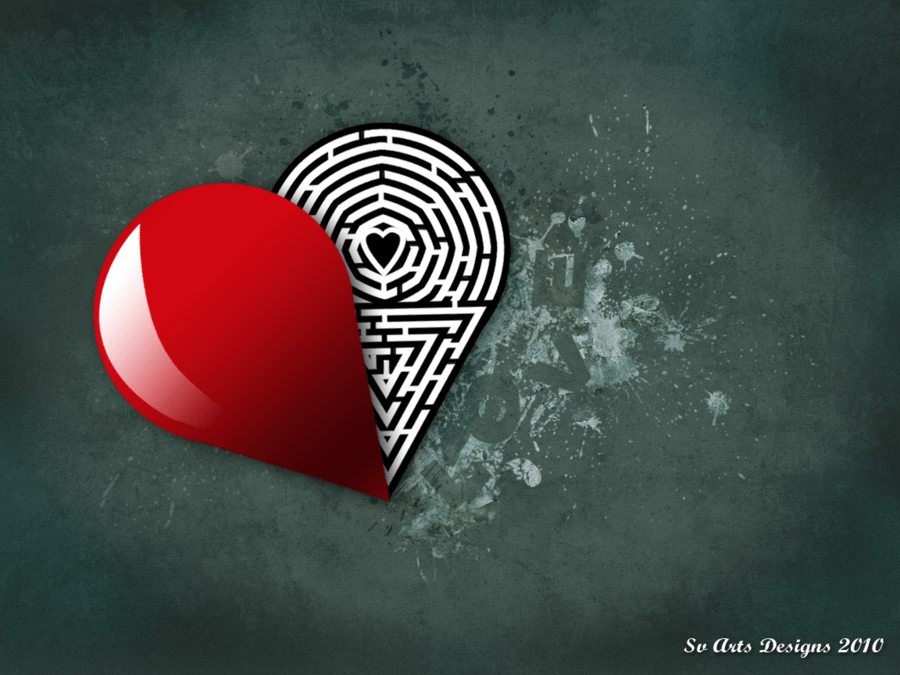
There is courage in choosing to soften instead of harden. In choosing to feel instead of being numb. In choosing to keep your heart accessible even after it’s been broken.
This level of preparation is subtle. It happens in small decisions. In learning when to rest. In learning when to say no. In deciding that your worth is no longer tied to what you produce, earn, or prove.
It’s learning to measure progress differently.
Some days, progress is getting out of bed. Some days, it’s laughing without guilt. Some days, it’s allowing joy to coexist with grief—without believing that one cancels out the other.
You don’t need to declare this year your comeback. You don’t need a manifesto or a master plan. You don’t need to know who you’re becoming.
You just need to be willing to meet the year as you are—changed, tender, and still standing.
The truth is, surviving a difficult year doesn’t make you weak. It makes you intimate with your own resilience. It teaches you what actually matters. It reshapes your priorities in ways comfort never could.
So as the calendar turns, maybe preparation isn’t about becoming someone new.
Maybe it’s about honoring who you had to be to make it here.
And maybe, quietly, without pressure or performance, you let yourself believe this:
That even after loss
Even after heartbreak
Even after uncertainty
There is still meaning waiting for you.
Not because everything is fixed—but because you’re still here to receive it.









































 The Truth of the Matter with Tiffani Michele
Leave a comment