
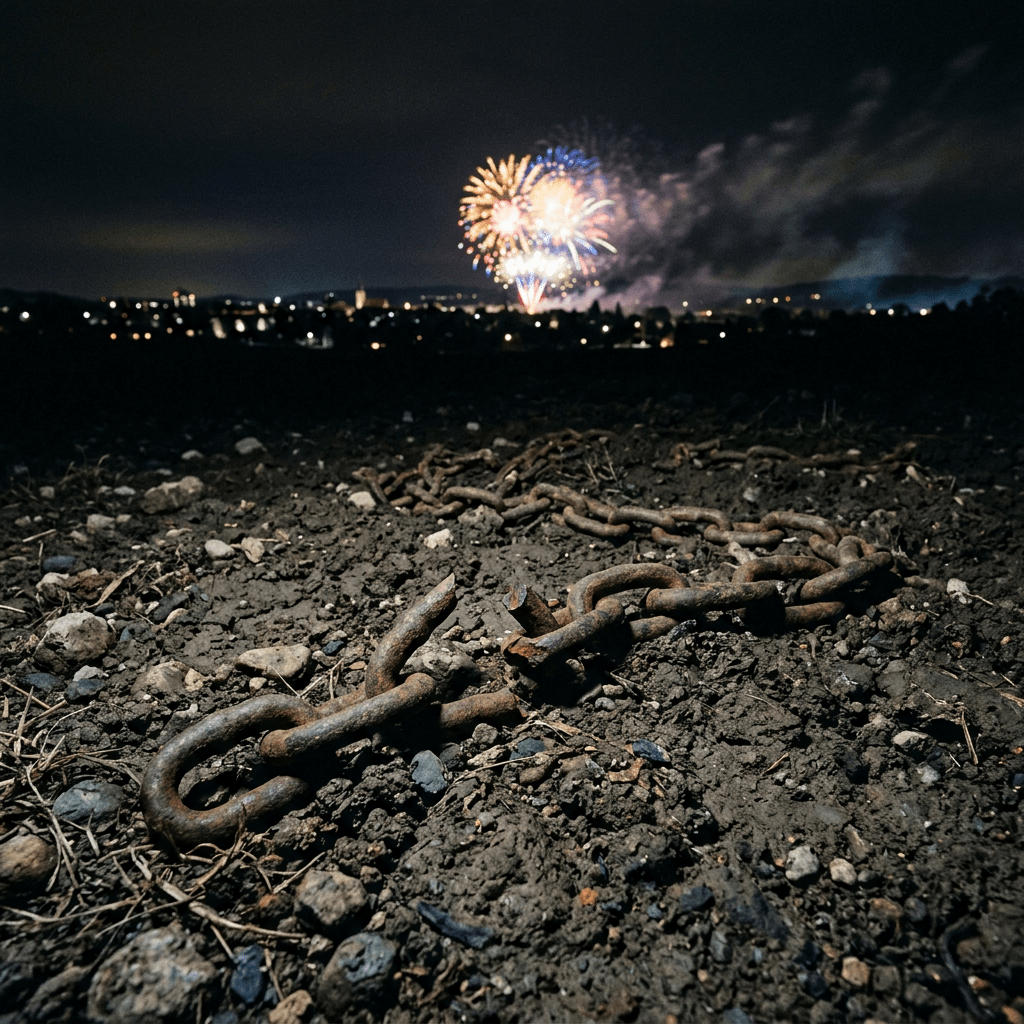
Every year on July 4th, fireworks light up the sky.
Families gather around grills. Flags wave from front porches. Patriotic songs fill the air. Social media timelines become flooded with red, white, and blue declarations about freedom, liberty, and the American dream.
And every year, many Black Americans find themselves navigating a complicated emotional landscape.
Not because we hate America.
Not because we refuse to celebrate.
But because we understand something many people would rather avoid:
America’s story is both beautiful and brutal.
The same nation that speaks passionately about freedom was built on stolen land and enslaved labor.
The same Constitution that promised liberty did not initially extend that liberty to everyone.
The same flag that represents hope for millions has represented oppression for millions of others.
And somehow, all of those truths exist at the same time.
The Question We Still Don’t Like to Ask
When the Founding Fathers signed the Declaration of Independence in 1776 and boldly proclaimed that “all men are created equal,” who exactly were they talking about?
Certainly not the Indigenous people whose land was already being occupied.
Certainly not the enslaved Africans whose labor was creating wealth throughout the colonies.
Certainly not women.
Certainly not the countless people who existed outside the narrow definition of who was considered fully human and fully American.
For Black Americans, Independence Day often feels like being invited to celebrate a birthday party that wasn’t originally thrown for us.
Yet somehow, generation after generation, we showed up anyway.
We fought in wars.
We paid taxes.
We built communities.
We created culture.
We contributed brilliance.
We believed in an America that often struggled to believe in us.
That contradiction remains one of the most defining aspects of the Black American experience.
The People History Tried to Erase
One of the greatest tragedies in American education is not simply what we were taught.
It’s what we weren’t taught.
Before there was an America, there were Indigenous nations.
Entire civilizations existed here.
Complex governments.
Languages.
Trade systems.
Spiritual traditions.
Architectural achievements.
Generations of people who understood this land long before Europeans arrived.
Yet many Americans can complete twelve years of public education and learn more about European kings than they do about the original inhabitants of the land they call home.
Many Indigenous communities today remain invisible in conversations about America despite carrying generations of trauma, displacement, and resilience.
How can a nation fully understand itself when it barely acknowledges the people who came first?
Perhaps one reason America struggles to heal is because America struggles to tell the truth.
The Labor That Built a Nation
There is another truth many people find uncomfortable.
Black people did not merely contribute to America.
Black people helped build America.
Literally.
The roads.
The railways.
The agricultural economy.
The infrastructure.
The financial systems.
The industries that created generational wealth.
For centuries, enslaved Africans generated billions in economic value without receiving compensation for their labor.
The wealth extracted from Black bodies became part of the foundation upon which American prosperity was built.
Even after emancipation, Black Americans continued contributing while navigating segregation, exclusion, discrimination, voter suppression, housing inequities, educational barriers, and systemic obstacles that often made success exponentially harder to achieve.
Yet despite all of this, Black Americans created some of the world’s most influential music, literature, inventions, businesses, social movements, and cultural innovations.
The story of Black America is not simply a story of oppression.
It is a story of extraordinary resilience.
The Backbone We Rarely Acknowledge
Today, Black and Brown communities remain essential to America’s survival.
We are educators.
Healthcare workers.
Truck drivers.
Entrepreneurs.
Engineers.
Artists.
Military members.
Scientists.
Custodians.
First responders.
Farm workers.
Corporate leaders.
Public servants.
Builders.
Caregivers.
The people who often keep society functioning are frequently the same people who continue fighting for equal treatment within it.
The irony is difficult to ignore.
Many of the communities that America relies upon most are often the communities America invests in least.
And still, they continue showing up.
Still contributing.
Still believing.
Still hoping.
Still building.
Progress Is Real
To deny America’s progress would be intellectually dishonest.
Black Americans have achieved things previous generations could scarcely imagine.
There was a time when voting was illegal for us.
A time when reading was illegal for us.
A time when owning property was impossible for many of us.
A time when attending certain schools, living in certain neighborhoods, or pursuing certain careers was prohibited.
Today, we see Black judges, Black CEOs, Black entrepreneurs, Black mayors, Black scholars, Black filmmakers, Black doctors, Black senators, and Black presidents.
That progress matters.
It should be celebrated.
It came at a tremendous cost.
Blood was shed for those opportunities.
Lives were sacrificed for those opportunities.
Generations endured unimaginable suffering so future generations could experience possibilities they never had.
We dishonor them when we pretend progress hasn’t happened.
But we also dishonor them when we pretend the work is finished.
The Divide We Pretend Doesn’t Exist
America is experiencing something deeper than political disagreement.
We are experiencing a crisis of truth.
People can look at the same facts and arrive at completely different realities.
People consume entirely different versions of history.
Different versions of patriotism.
Different versions of justice.
Different versions of what America is and what America should become.
Some Americans believe discussing racism creates division.
Others believe refusing to discuss racism creates division.
Some believe acknowledging historical injustices weakens patriotism.
Others believe truth is the highest form of patriotism.
Some want to move forward.
Others are still waiting for America to acknowledge where it has been.
And perhaps that is where the tension lives.
Because moving forward is difficult when people cannot agree on what happened behind them.
What Does Freedom Really Mean?
On July 4th, perhaps the most important question isn’t whether America is good or bad.
Perhaps the better question is:
Who gets to experience freedom equally?
Not theoretically.
Not symbolically.
Not in speeches.
In reality.
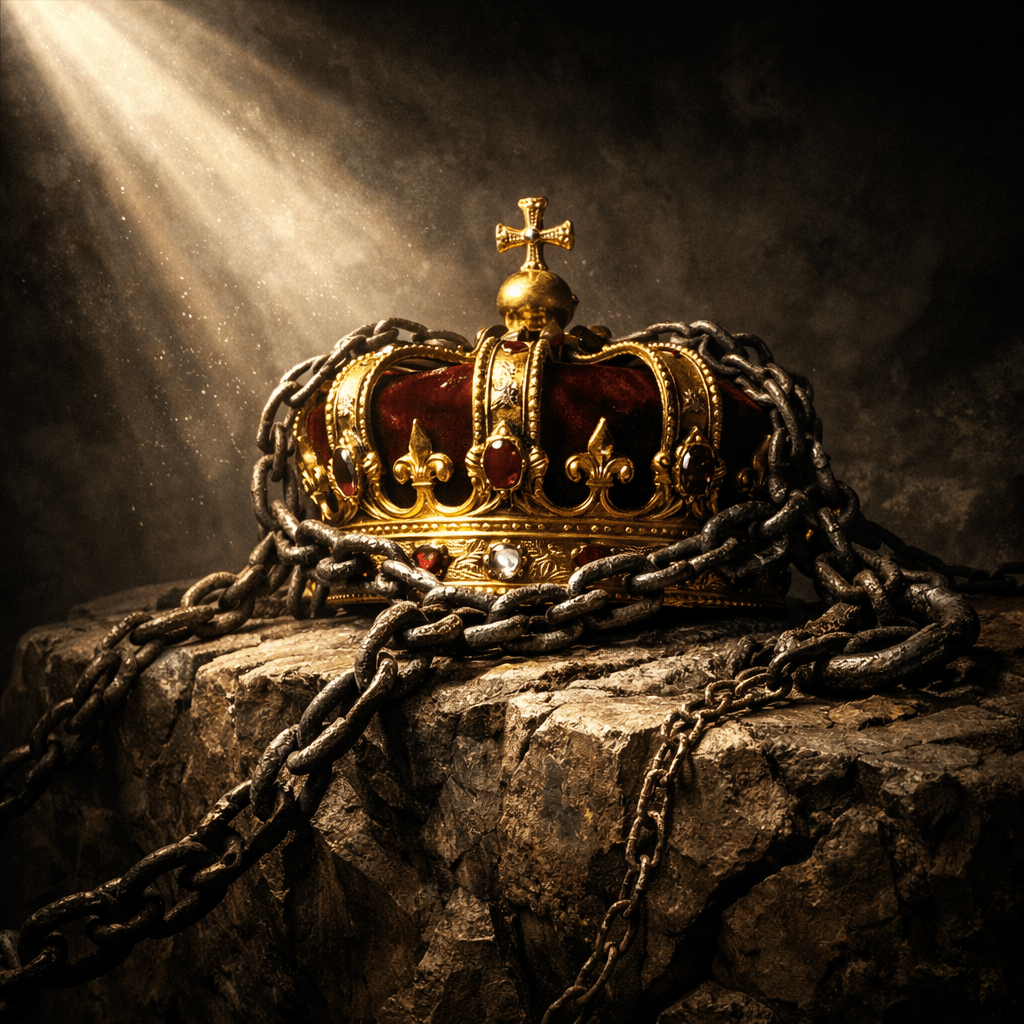
Freedom is not merely the absence of chains.
Freedom is opportunity.
Freedom is access.
Freedom is safety.
Freedom is dignity.
Freedom is being treated as fully human regardless of your race, religion, gender, background, or zip code.
Freedom means your potential should not be determined by barriers you did not create.
And if that standard is our measuring stick, then America still has work to do.
Loving a Country Enough to Tell the Truth
Criticism is often mistaken for hatred.
It isn’t.
In fact, the opposite is often true.
People criticize what they care about.
People challenge what they believe can improve.
People tell difficult truths because they refuse to accept comfortable lies.
I am proud to be an American.
I am proud to be Black.
I am proud of the ancestors who survived circumstances designed to break them.
I am proud of Indigenous communities who continue preserving cultures despite centuries of erasure.
I am proud of immigrants who arrived with hope in their hearts.
I am proud of every person who has fought to make this nation live up to its own promises.
But pride should never require denial.
Patriotism should never require amnesia.
Love should never require silence.
Perhaps true patriotism is not found in pretending America is perfect.
Perhaps true patriotism is believing America can be better.
Perhaps the fireworks should not simply remind us of where we’ve been.
Perhaps they should challenge us to think about where we’re going.
And perhaps the most American thing we can do this July 4th is not just celebrate freedom—but continue fighting to ensure freedom belongs equally to everyone.






















Leave a Reply